
Nodes turns curiosity into foot traffic: a free side quest that pulls people into brands, events, or places they'd otherwise walk past.
SCOPE
Game Design, Interactive Systems, UX/UI, NFC,
Fabrication, Web Development
INDUSTRY
Experiential / Tech
STAGE
Deployed
CREDITS
Presented by: Design Core Detroit, Detroit Month of Design 2026
Featured at: Eastern Market After Dark
Partner businesses: Detroit Sip, Dessert Oasis Coffee Roasters,
Honey Dirt, Lolo's Furniture, Shops on Six, Mockery, Mad Bunny,
Live6 Creative, Metro Detroit Barber Shop, Art Over Everything,
The Raw Space
Design, build, install: Corbin Mohr
People are always looking for something free and walkable to do.
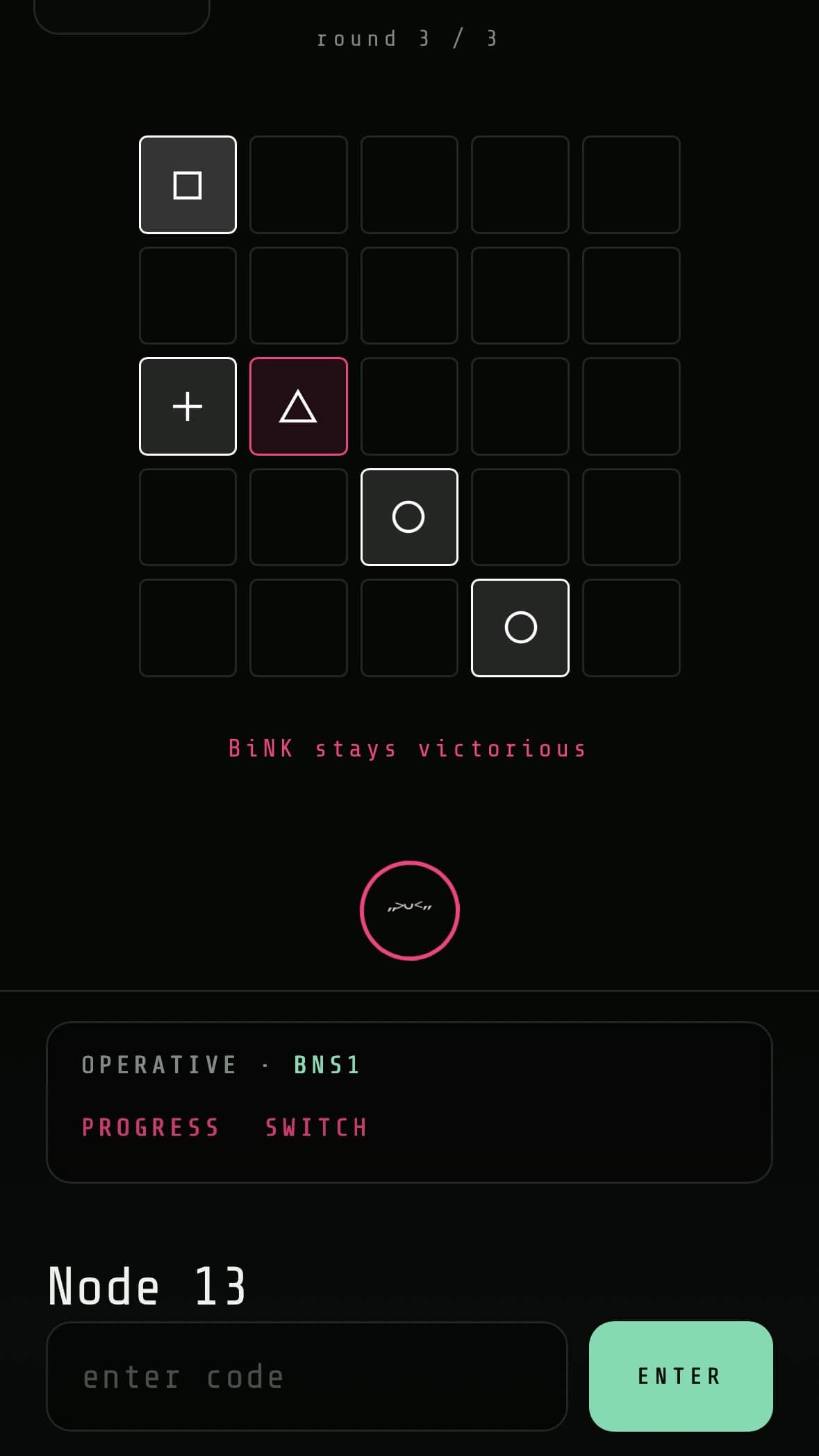
Nodes gives them one: a puzzle network hidden inside businesses and places of interest. Tap the NFC tag, solve what's in the room or on your phone, and climb a leaderboard that spans the city. Then you find the map… there's another one down the street.
The first run was a proof of concept dressed in Cell Operations, and it showed that interactivity creates foot traffic and dwell time a business can actually measure. The world on top can be swapped out, so the same system can be reskinned for a sponsor, a brand activation, or a corporate event.
Launched at Detroit Month of Design 2026 and Eastern Market After Dark across 11 businesses. Next: More coffee shops.
NODES Site
Related: The DCV
WHAT CAME BEFORE?
Pokémon Go gets people exploring, but it’s repetitive and doesn’t offer much depth.
Geocaching delivers the thrill of the hunt, but the reward is usually a scrawled logbook or a trinket nobody wants.
Escape rooms offer hands-on puzzles, but they often feel dated, with little story or brand to get people excited
🡆
NODES.
The polish of Pokémon Go. The hunt of a geocache. The depth of an escape room.
All wrapped in one world, with a reward worth keeping.
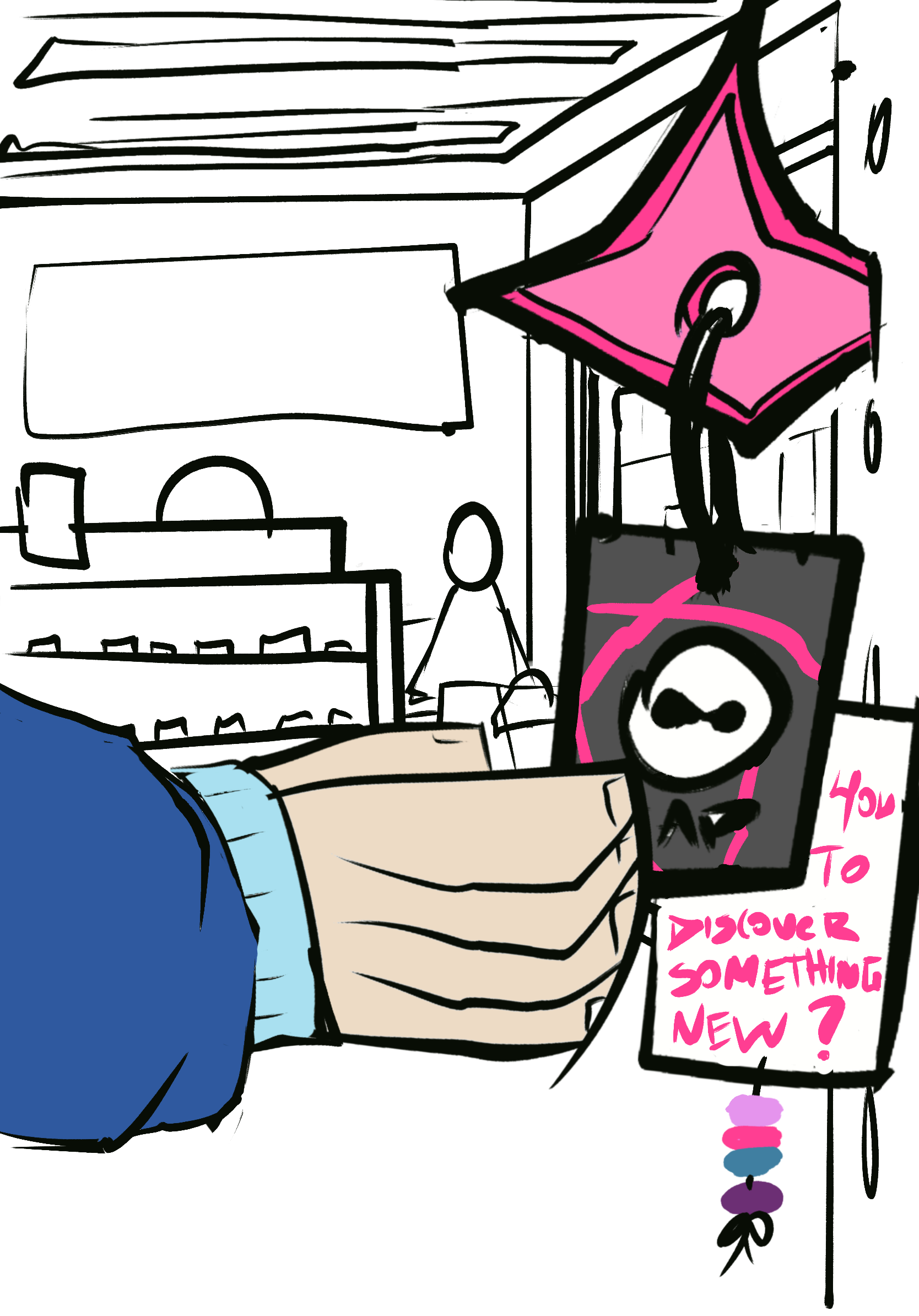
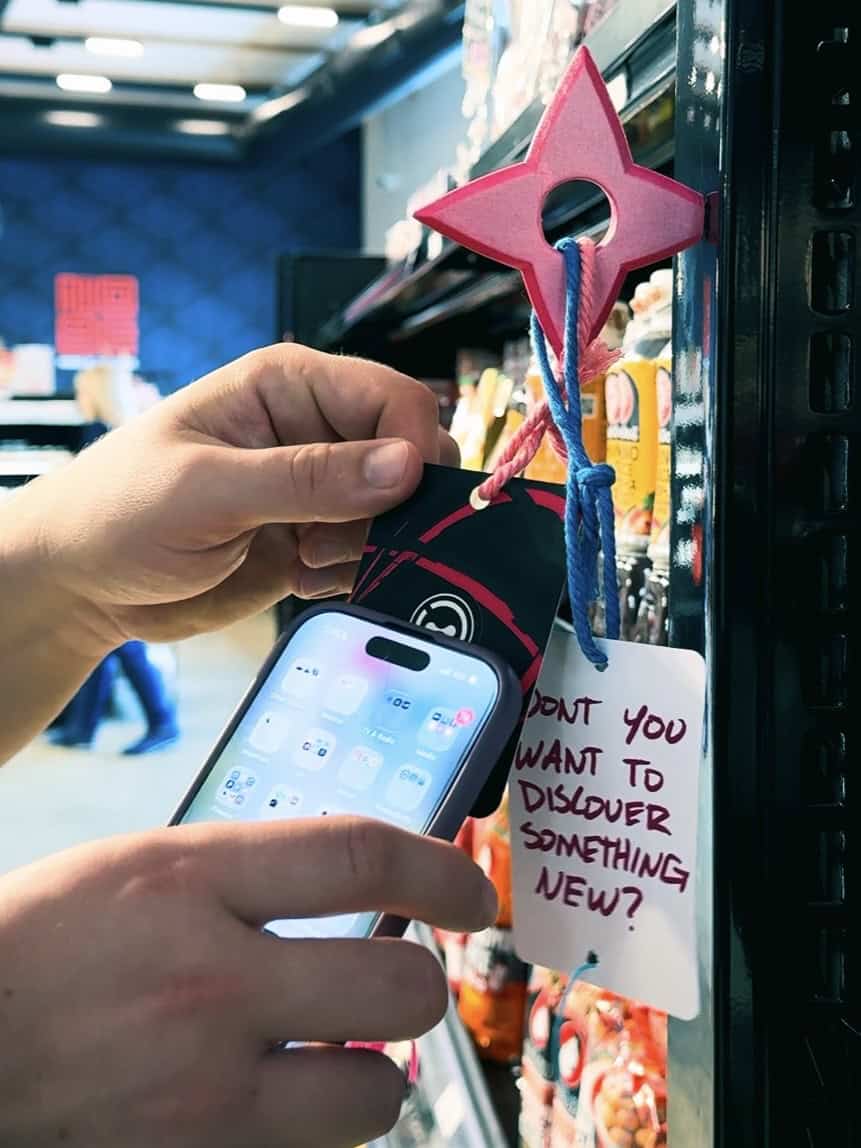
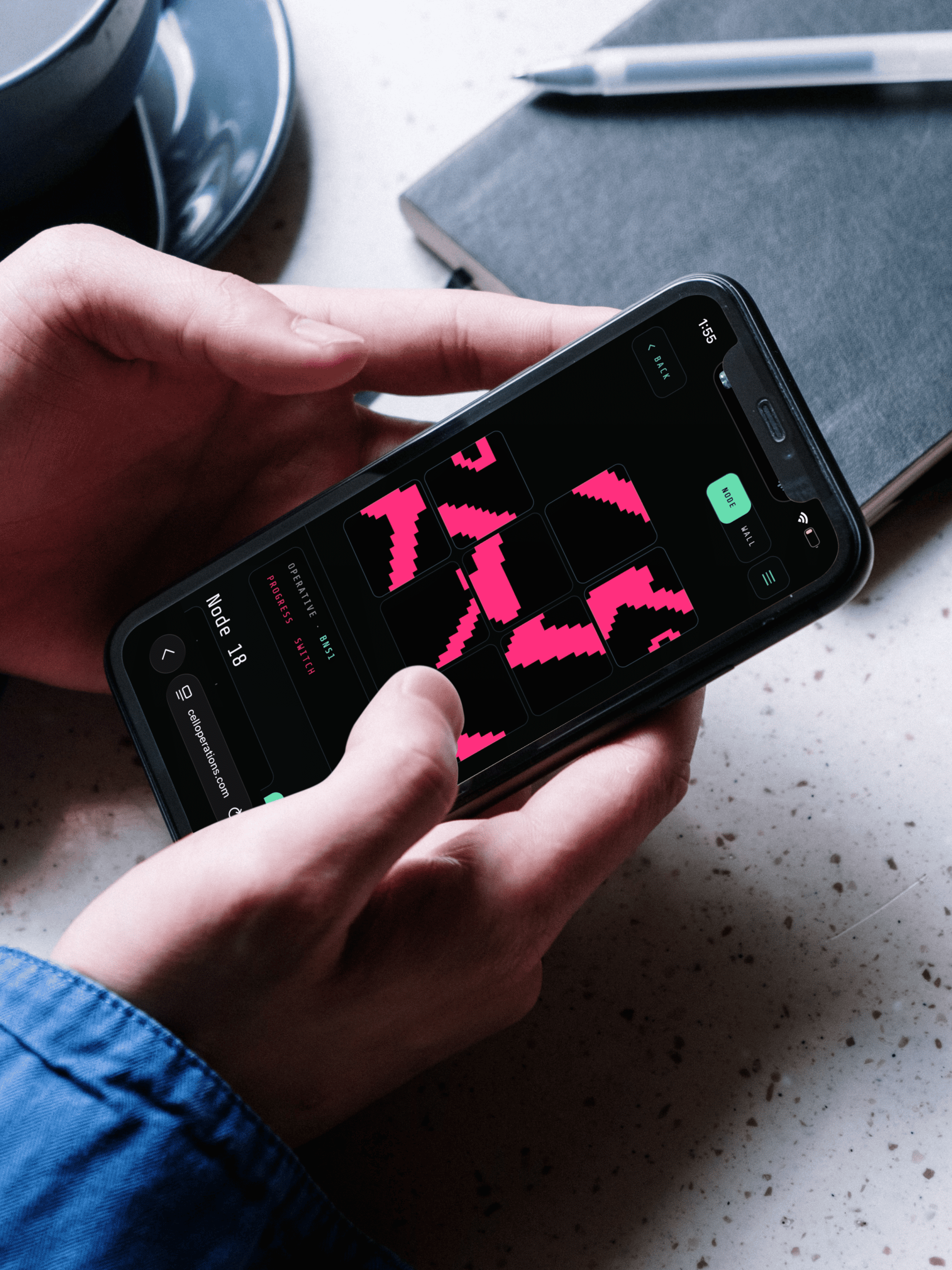
Above: Node 14, Dessert Oasis Coffee Roasters. Tap the tag, solve the puzzle.
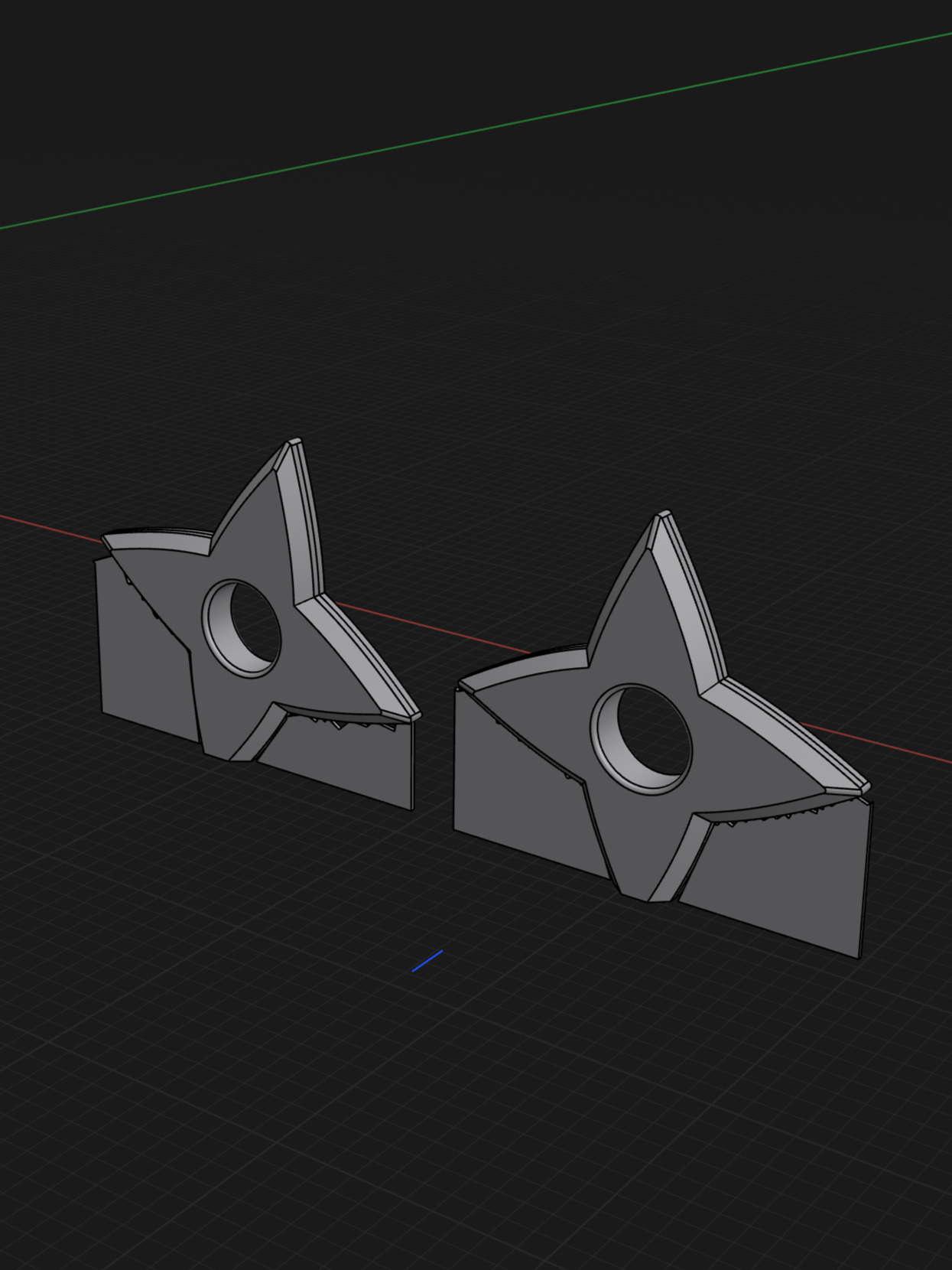
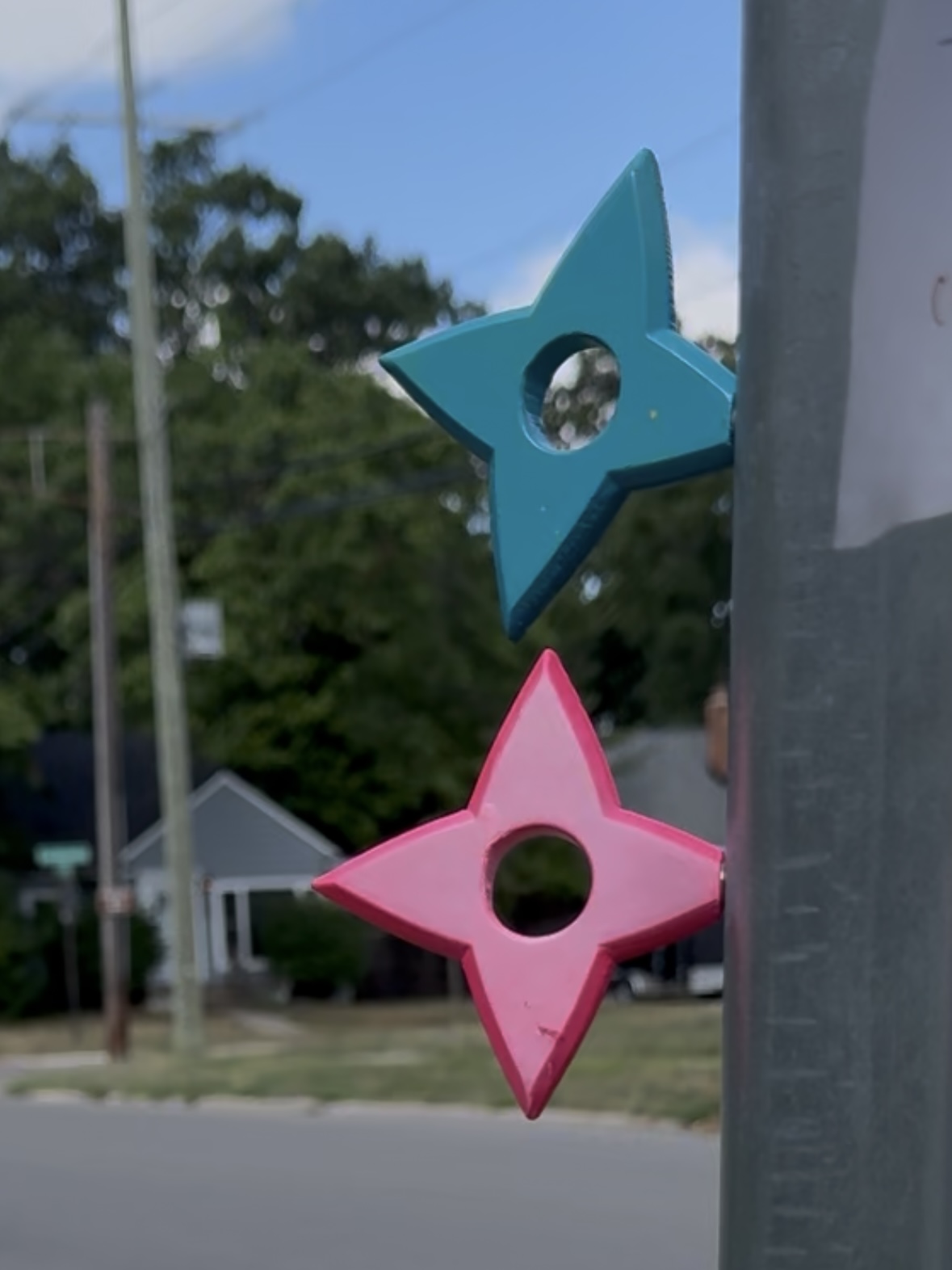
Below: Concept art to deployment.
RAISING THE STAKES 🡅
The Build. Low-cost 3D-printed pieces, with embedded magnets. RFID branded sticker tags. Deployable in hours. Easily replaceable.
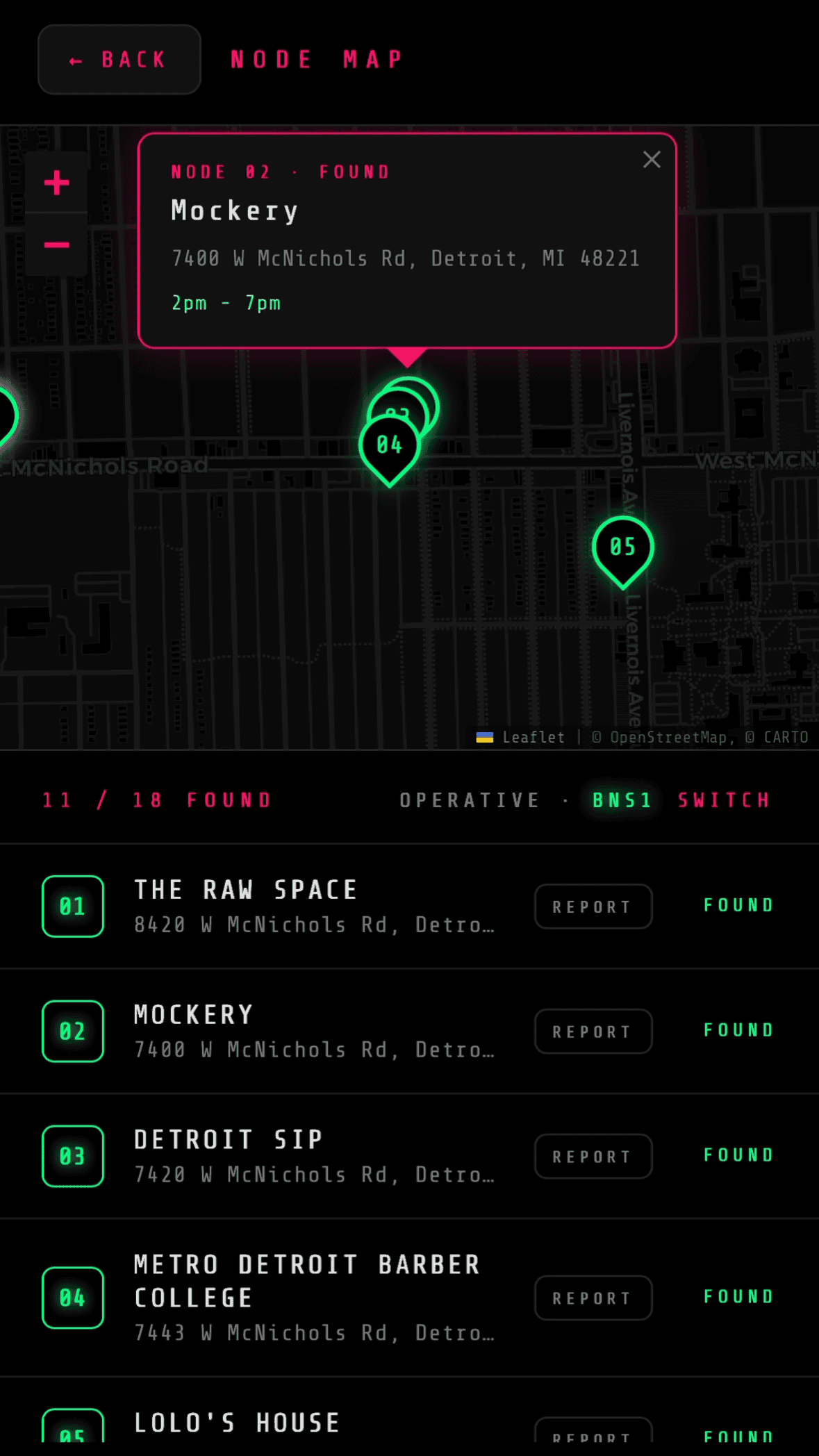
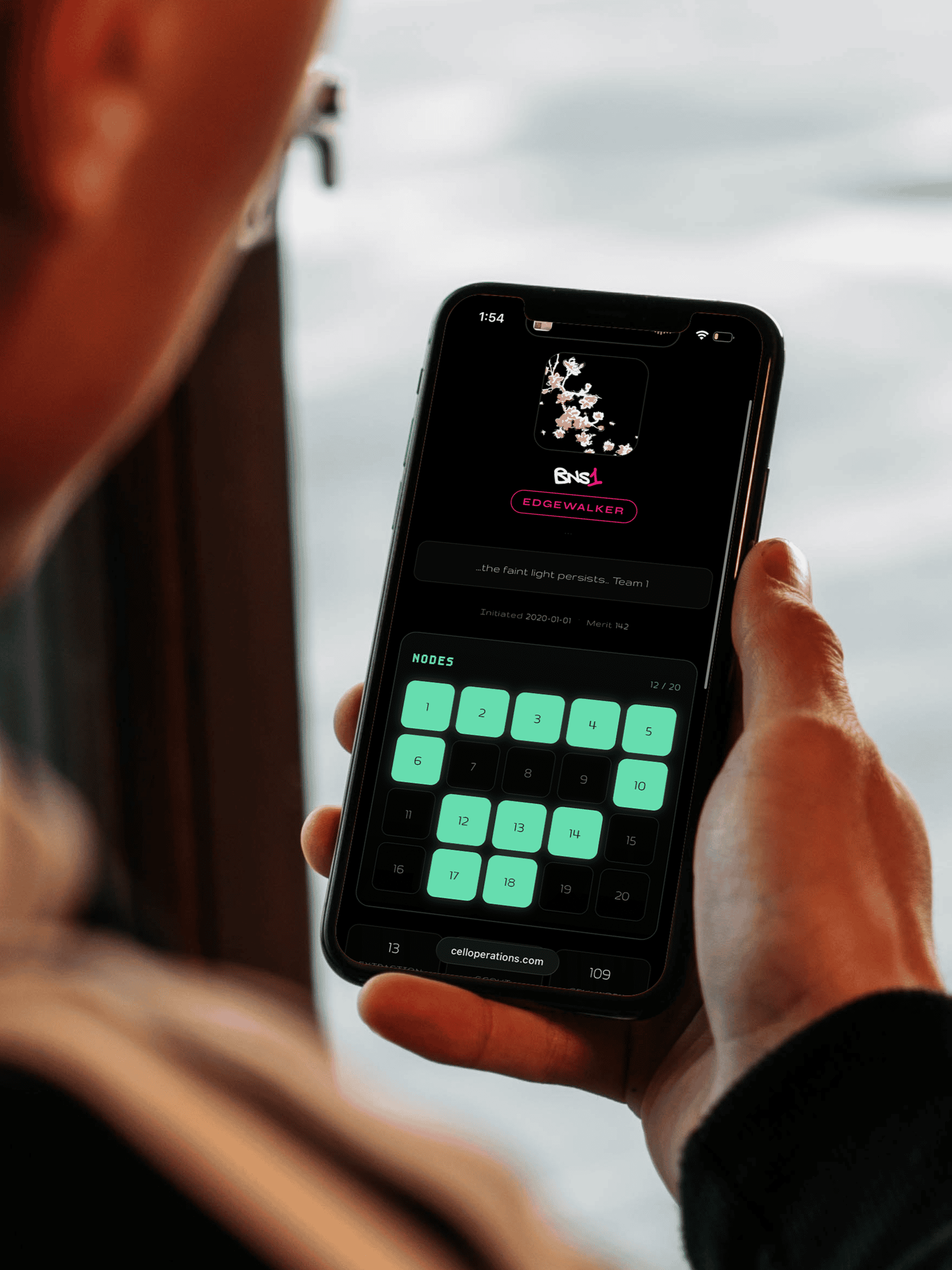
The Infrastructure. Custom site, a citywide leaderboard, community hints, individual progress tracking, and puzzles built for the room they’re in.
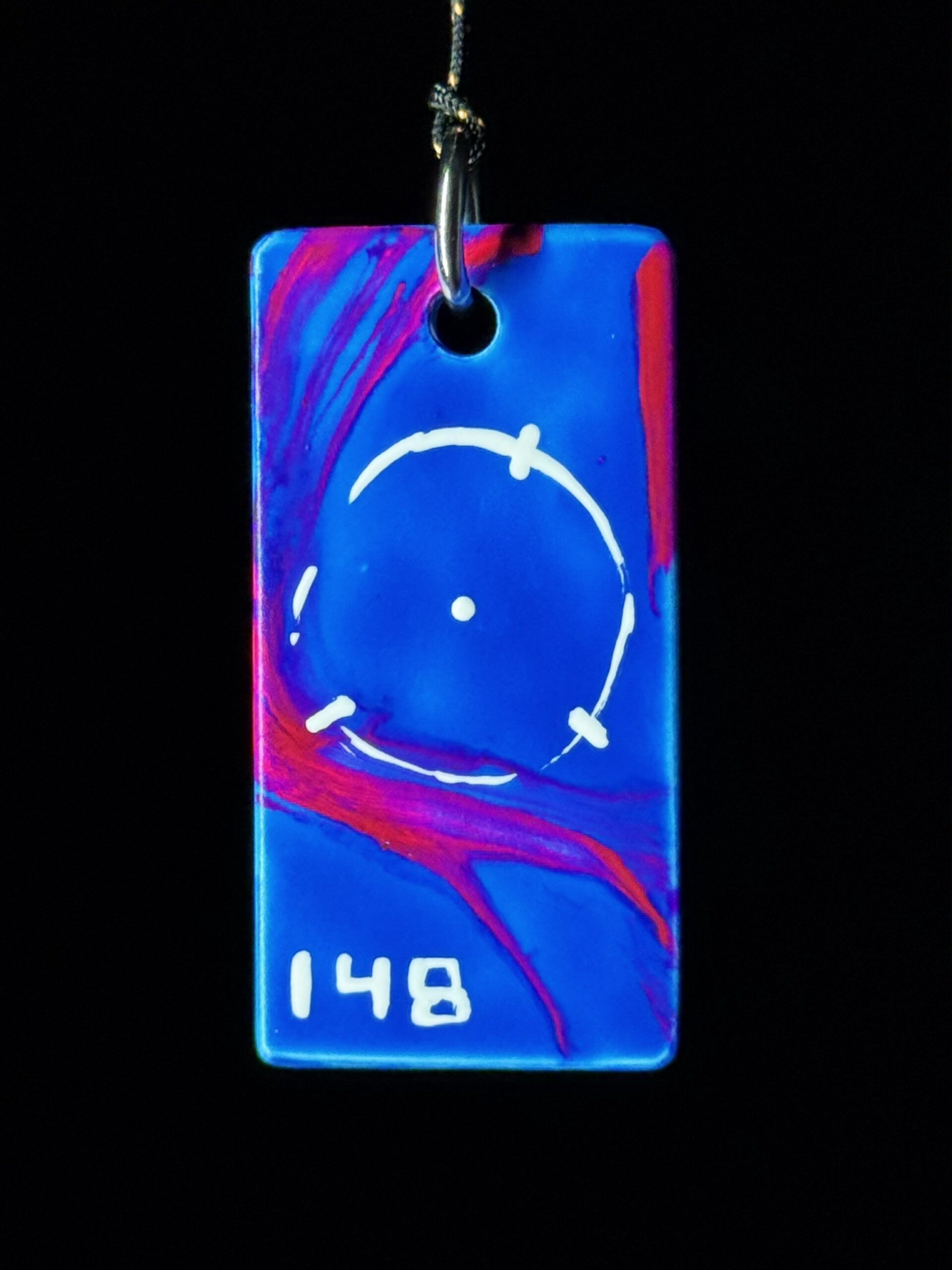
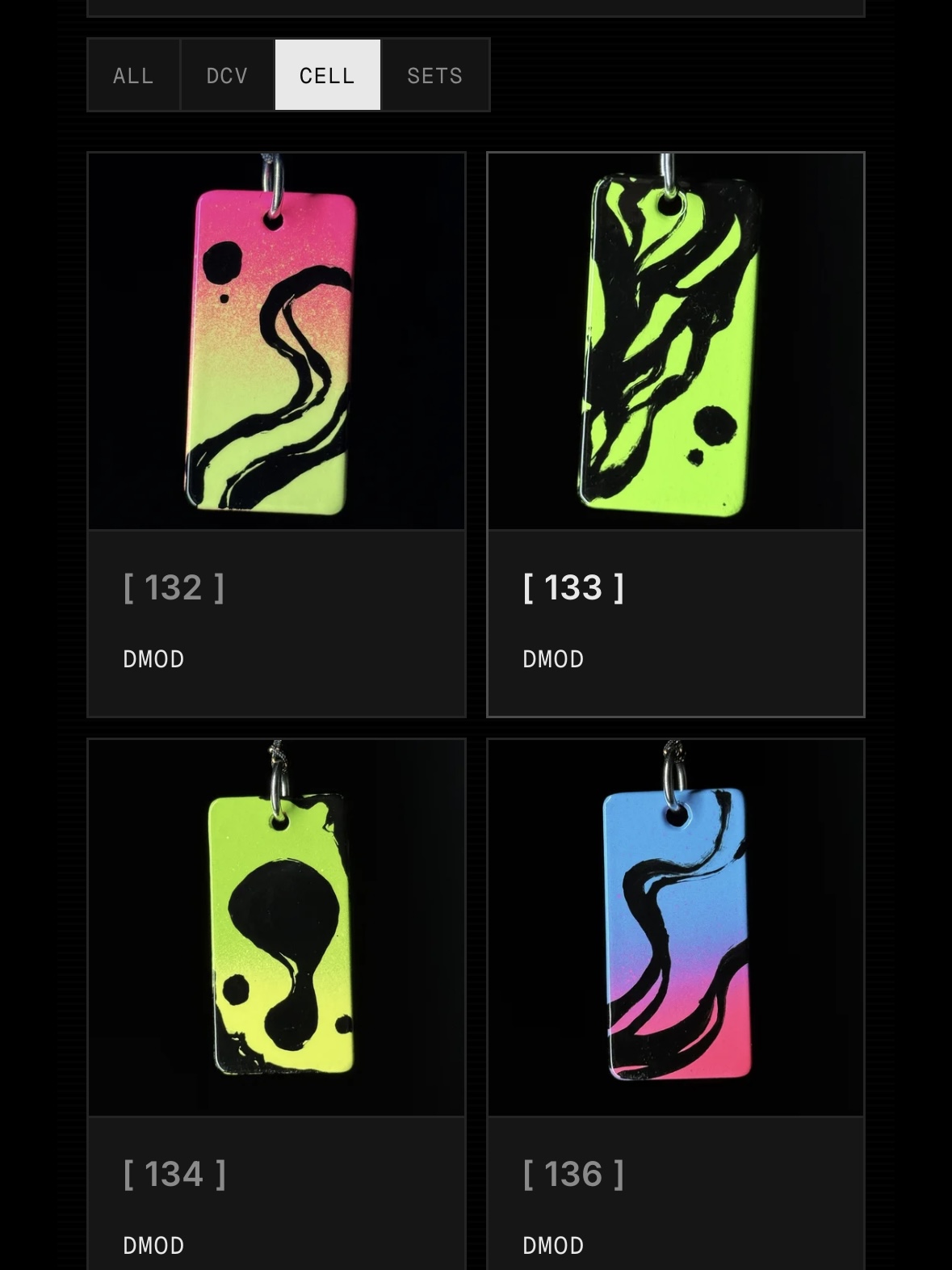
The Reward. Every solve earns a handmade steel charm from the DCV, made to be cherished. A real reward raises the bar.
DOUBLING DOWN ON COMMUNITY
🡇🡇
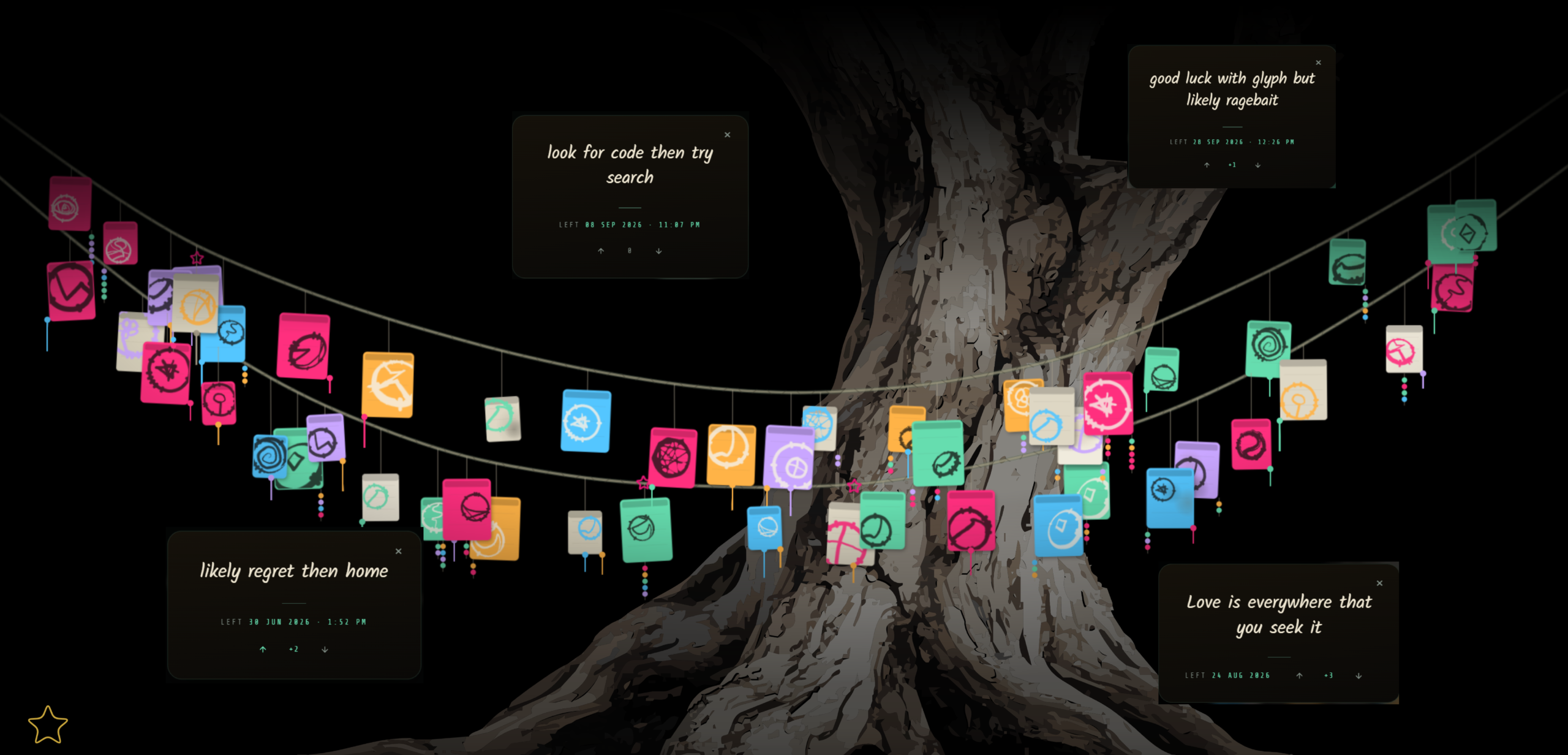
Players teamed up with people they’d never met, and finishers stuck around to coach newcomers. So we built more ways for them to connect.
The Leaderboard. A citywide race to the top.
The Hint Wall. Help, or misdirection.
The Charm Database. A public log of every charm earned.
The Discord. Where players compare notes, theories, and plan the next run.
🡄 GOING BACK TO LOOK FORWARD
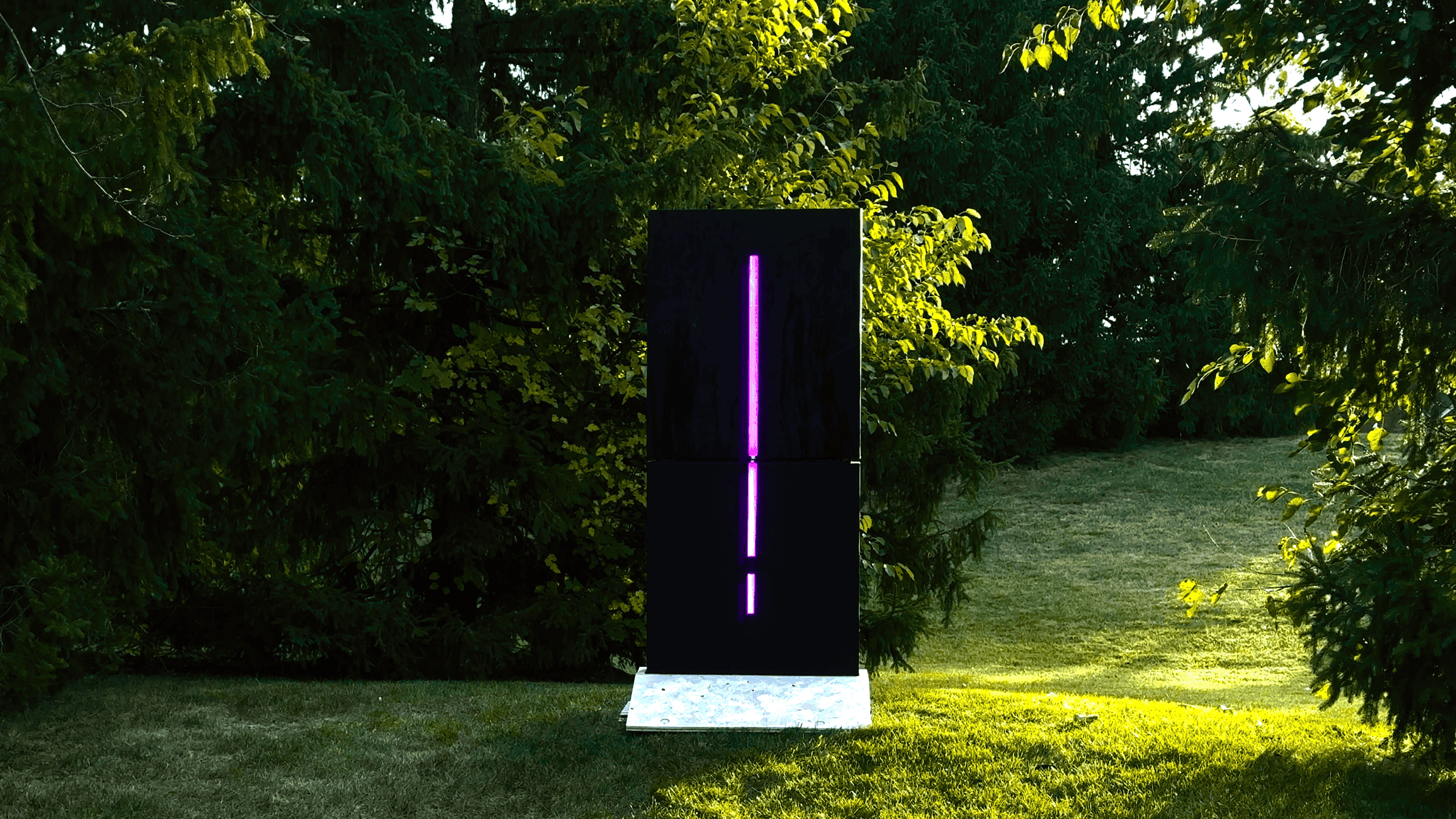
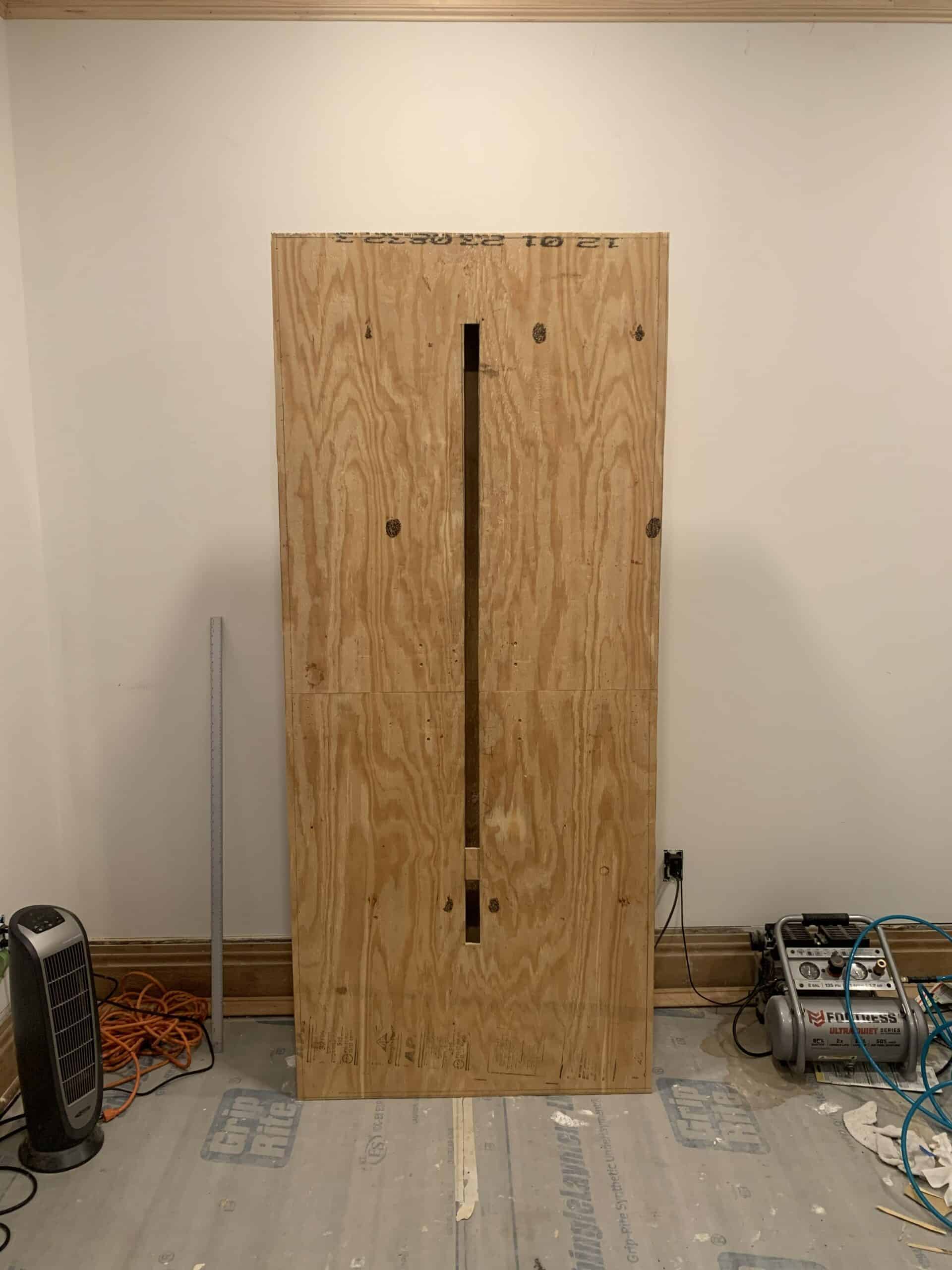
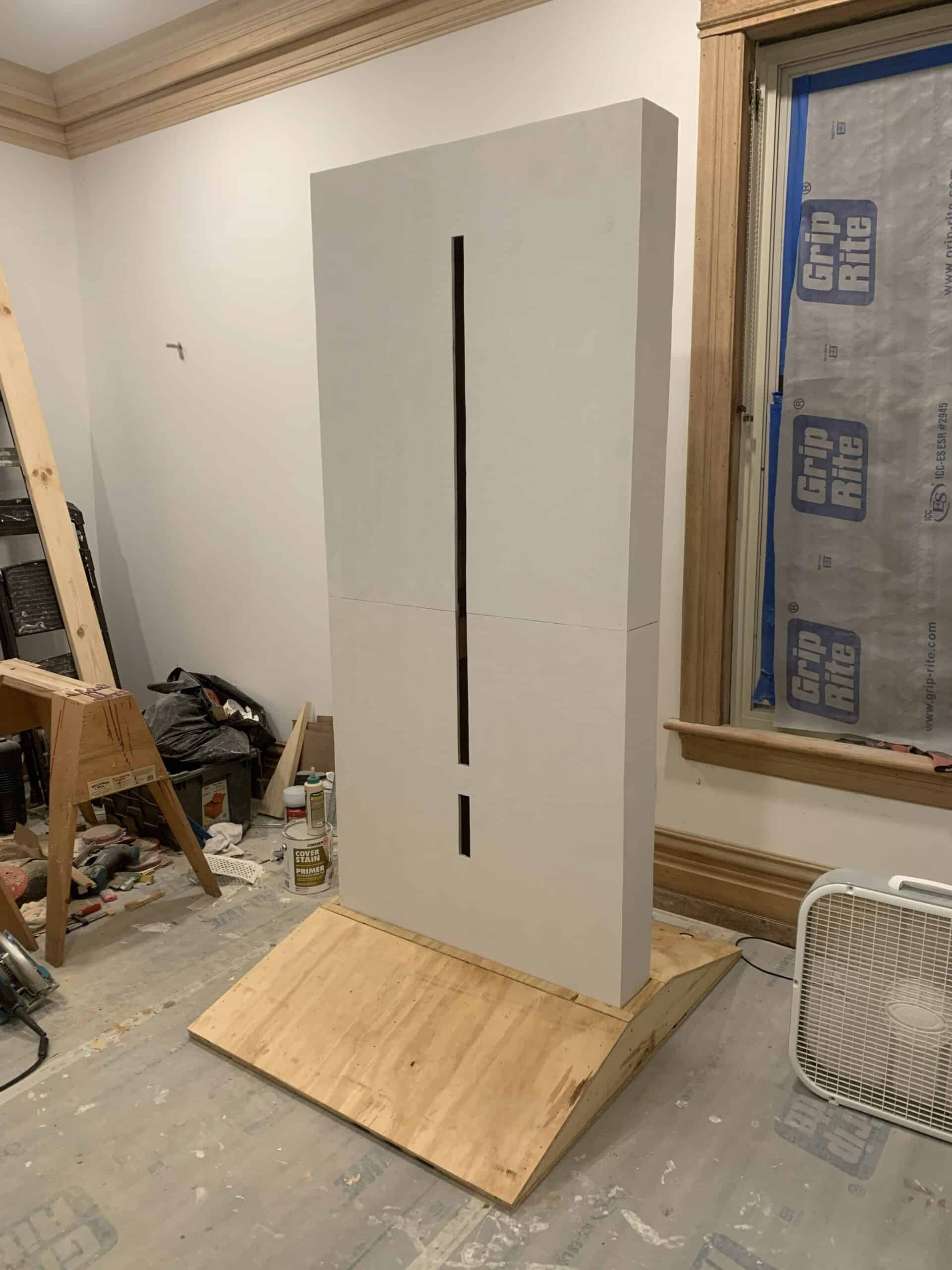
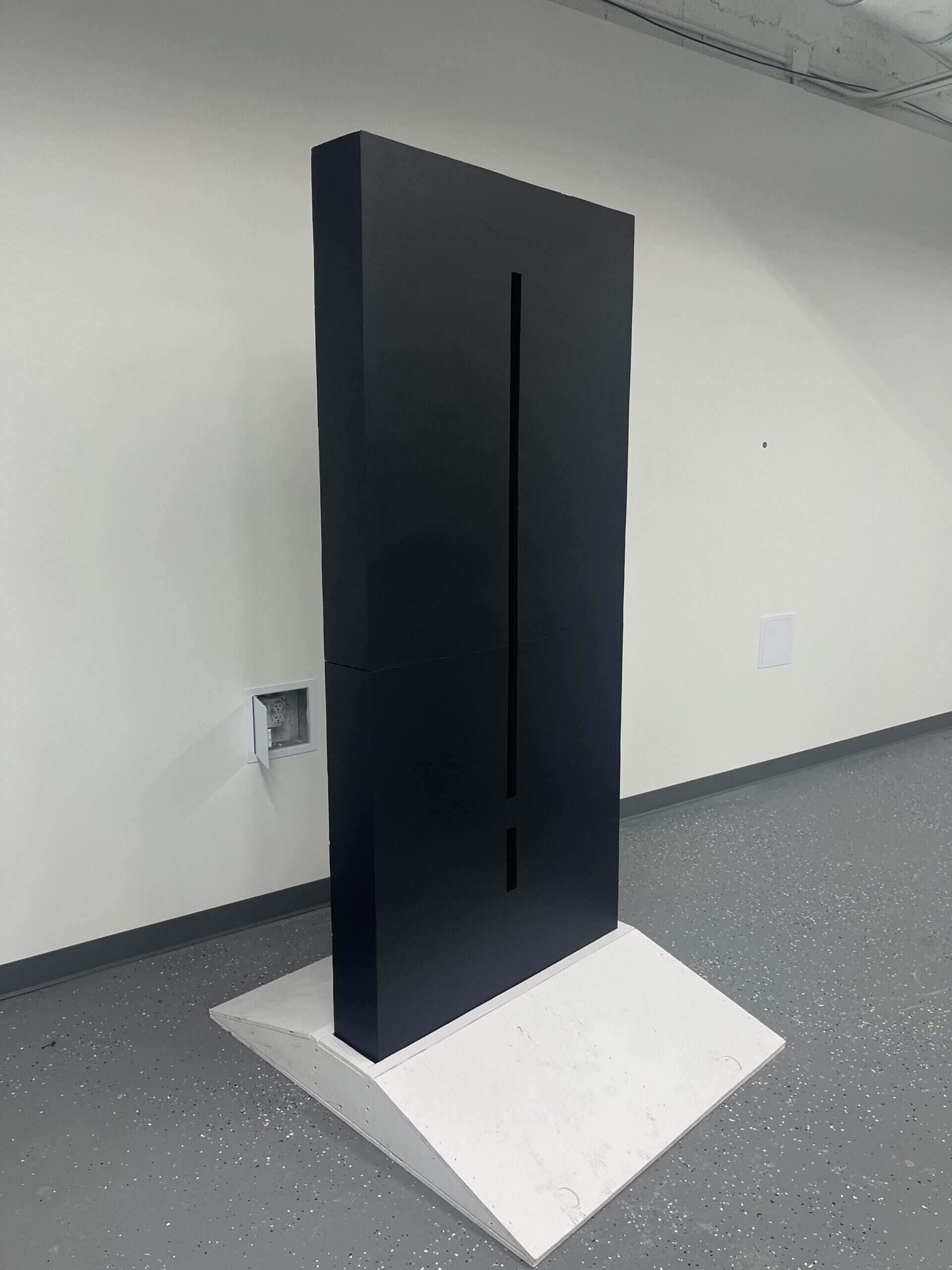
The first waypoint. Built before the node system existed, the monolith tested the idea behind it: a landmark that reads as sculpture to passersby and as a meeting point to anyone following along. Seven feet tall, built in two pieces so it breaks down and fits in a truck, with controllable Astera Titan lighting in the slot.
Built to scale both ways. With budget, Nodes grows into a network of installations and waypoints like this one. Without it, the same system runs on a 3D-printed tag and a puzzle in the room or outside. Big or small, it’s still Nodes.
Outcome
Some players tapped a node on their morning coffee run. Others pulled up the map to find the next one. A few chased the leaderboard and walked away with a charm they earned. Every tap, solve, and minute is tracked, so businesses don’t have to guess what the game brought through their door.
Nodes ran across 11 businesses during Detroit Month of Design and Eastern Market After Dark.
45 min Average
Play Time
Dwell Time. Most people spend a few minutes in a shop. Nodes kept them playing for most of an hour, and it pulled them from one door to the next.
200+ Sign Ups
Players Recruited. Each one made a profile, picked a codename, and joined the leaderboard.
225+ Nodes Solved
Proof of Play. Five solves earned a charm, and 20 were handed out over four days. Plenty more players solved nodes without reaching one.